An economic calendar is very helpful to short-term traders and long-term investors as they try to keep track of important events like GDP events, inflation events, and interest rate events. For the case of USA investors in 2025, knowing these events is of the highest importance. These events in the economic calendar have certain importance as they help guide the economic condition in the future and help direct the investors towards the right economic data needed for the key economic puzzle. 
Rising interest rates due to inflation have become the focal point for traders and investors. These events, especially ones that come from the Federal Reserve, are very important to the sectors of stocks, bonds, and real estate. Short-term traders can use the calendar to anticipate changes in the events and the long-term investors can adapt the portfolio to the calendar. Investors and traders in the USA, by knowing the events in the economic calendar, can improve the confidence in their predictions and make better predictions in relation to the inflation values in 2025 and the following years.
What is an Economic Calendar?
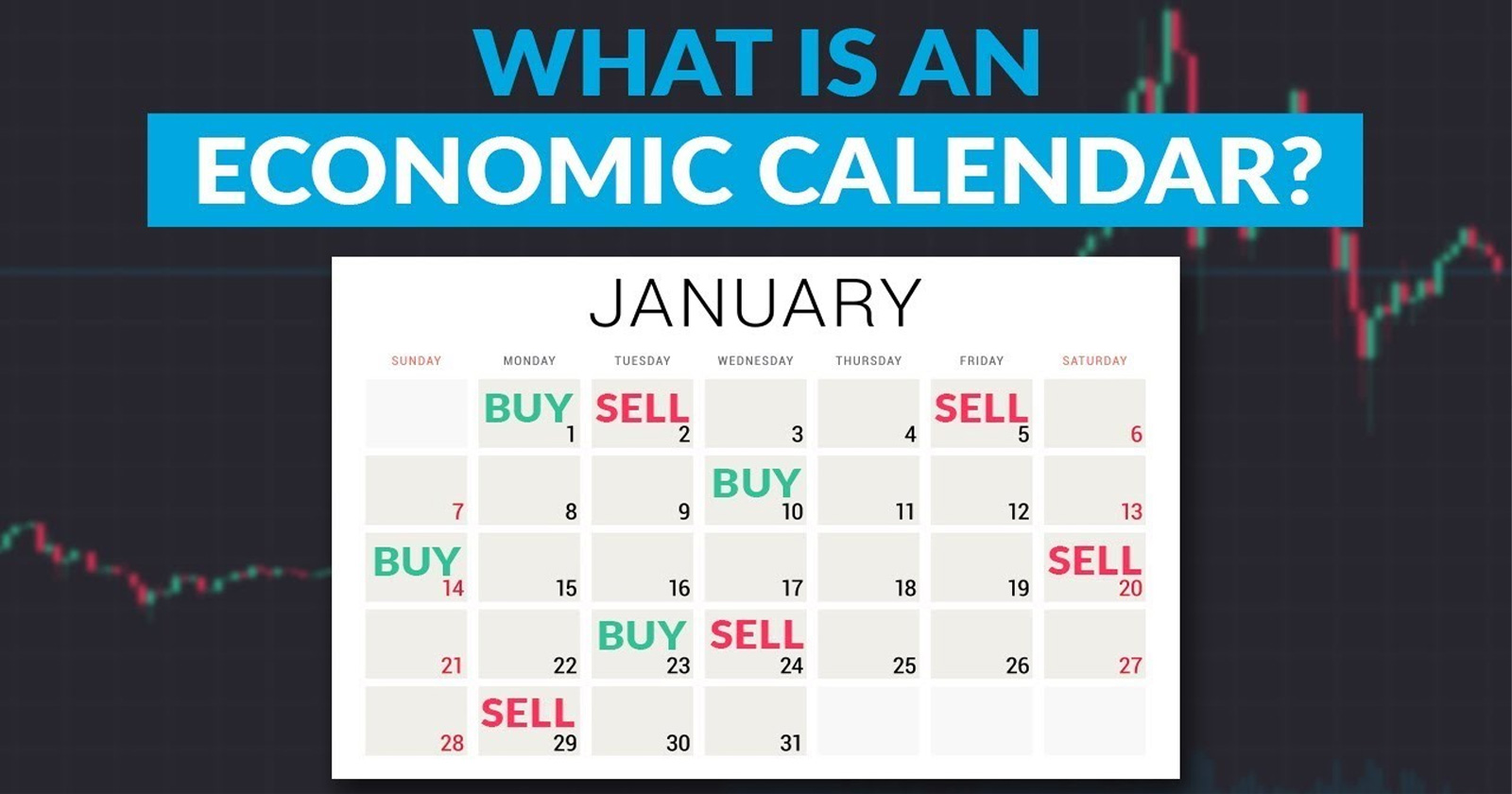 An economic calendar is a type of calendar that lists important events and economic releases that have the potential to impact the value of various financial assets such as stocks and currencies. Calendar events often include important economic reports such as job data and inflation reports and announcements such as policy decisions by the Federal Reserve. Because the events on the calendar have the potential to impact the value of financial assets and the direction of the economy, it is important for traders to check the calendar to plan and manage their trades and for investors to understand the calendar to keep track and be aware of the overall economic direction.
Common Data Included in the Economic Calendar
- CPI (Consumer Price Index): An index that tracks price changes for a basket of goods and services for consumers. This index is a key inflation gauge and is measured on a monthly basis.
- PPI (Producer Price Index): An index that measures price changes at the wholesale or producer level. This index is also measured on a monthly basis.
- GDP (Gross Domestic Product): An economic report that measures the value of all goods and services produced in the United States every quarter (annualized). This report is an important indicator of the nation’s economic growth.
- NFP (Non-Farm Payroll): The monthly U.S. jobs report that reports how many jobs have been added to or lost in the economy (excludes farm workers). This report has potential to drive market direction and sentiment.
- FOMC (Federal Open Market Committee): Meeting dates of the U.S. Federal Reserve where economic forecasts and interest rate decisions are announced.
Visit For learn more about CPI / GDP / NFP
How It Is Used in the US Market
For short-term traders, the economic calendar is essential for timing important releases in the market. For example, as Non-Farm Payroll and Fed announcements come out, traders are often in the market, timing their buy and sell orders to profit from the increased volatility during the announcements. Conversely, in long-term investing, market participants will look to the calendar to spot economic trends over time. If the reading is strong (e.g. GDP is growing and unemployment is falling), they might be encouraged to add to their stock positions. If the reading is weak, they might decide to move to safer assets, such as bonds. In both short and long-term investing, they are relying on the economic calendar to help U.S. market participants make better trading and investing decisions.
Why Financial Decisions Should Incorporate An Economic Calendar
Investors who pay attention to an economic calendar note important economic updates that affect the U.S economy like fed announcements, job reports, inflation reports, gdp updates, etc… Because the U.S is the largest economy in the globe, the updates can also affect other economies in the world as well. Dirich explains that high impact updates affect the economy in a more significant way and therefore can cause volatility in the market. An experienced investor can plan trades accordingly to the dates scheduled on the calendar to avoid situations such as losing trades due to volatility in the market.
Considering both short-term and long-term events molds a complete understanding of the economy’s standing. Investing.com mentions that short-term “offers a broader perspective on an economy’s health.” In essence, the economic calendar aligns data due to date to the movements of a market, thus enabling users to streamline their trading, predict sudden movements, and optimize their decisions at a pivotal point in the market.
How the Economic Calendar Helps You Make Smarter Decisions
Timing Trades and Managing Risk
With an economic calendar, traders can see the date and context of expected economic data. This unique perspective and understanding allows participants to optimize their market positions whether it be tightening their stop losses, adjusting their target take profit, or avoiding the market altogether to limit their risk. For instance, a trader can expect a major economic data release, set their atr to limit their potential risk at an expected target profit and avoid the market to limit their risk exposure.
Event risk and economic announcements can be classified on economic calendars. Major economic announcements can lead to a tightening of the bid/offer spread. This calendar allows users to avoid a trading position just before a major price-moving announcement. This calendar can be solely the reason for a trader to possess discipline in their trading and avoid emotional decisions. An event risk calender allows discipline to take the lead in a trade decision-making process. It helps traders to ask, “What is my entry and exit plan for this event?” This discipline can lead away from emotional trading.
Strategic Portfolio Management and Trend Signals
Aside from short-term transactions, the economic calendar defines the long-term strategy by indicating macro trends. Such events, like GDP, CPI, and unemployment reports, are scheduled and flagged beforehand, providing clues on possible economic expansions and contractions.
 Investors can act and adjust their portfolios even before the signals fully manifest in the market. For instance, if the data suggest a recession, a portfolio manager may allocate more funds to bonds or defensive sectors. If growth lies on the horizon, they may overweight equities. Knowledge of the dates of policy events (central bank meetings and fiscal announcements) also allows investors to predetermine their positioning, and defanging a probable hike by hedging, or shifting to sectors that are anticipated to gain from the move. By fusing these observations, each entry in the calendar becomes a predicable signal to act upon, enabling investors to improve their strategy rather than react to market movements.
Tools: Best Economic Calendars for U.S. Investors
Investing.com
For tracking US and World economic events, Investing.com has one of the most popular and free economic calendars. Investing.com is able to filter by country, economic indicator, and level of importance, so you can focus on US events (e.g. CPI, GDP, and Fed initiatives) and filter to find the events that matter to you. Investors can rate and flag events that positively impact the market. The filtering options allow you to set alerts (custom emails to you or via your smartphone) for specific data releases. Investing.com is able to provide US investors data that is accurate and current on an easy to use interface.
Forex Factory
Forex Factory’s calendar is free to use and is referred to as the most forex-focused economic calendar on the internet. It is especially helpful to traders monitoring economic events that affect the value of currencies. Users have the ability to filter events by currency (USD, EUR, etc.), impact level (high, medium, low), and to set the calendar to their preferred time zone. To make it easier for users to identify potentially market moving events on the calendar, high impact events are denoted by red text and 3 stars and are accompanied by forum commentary. The company’s simple design and extensive real time employment, Fed, and manufacturing events summary make it a prime source for investors in the United States.
MarketWatch
MarketWatch part of the Dow Jones and the Wall Street Journal gives its clients an easy-to-use economic calendar focusing on the main U.S. economic releases. The calendar provides the major U.S. economic events and leading actionable economic indicators and data releases with timestamps in Eastern Time. MarketWatch highlights forecasted values for the announcment and Prior data released. The calendar allows basic sorting by country and by category data releases such as inflation, labor, etc. MarketWatch provides data and integrates it with important and timely business news. In summary, the U.S. clients of MarketWatch receive a complete schedule of all useful US business and economic events to communicate about and provide expert analysis on, as well as major world events.
Trading Economics
Trading Economics updates its global calendar, including frequent US updates, continuously and provides detailed US updates. The app description says it provides its users with an economic calendar and also other relevant data about the markets. What stands out is that users can receive notifications on the specific economic indicators they request as soon as they are released.

This allows you to set notifications for any U.S. data release (e.g. FOMC statement or jobs report) so you can be the first to know when it becomes available. Trading Economics is very proud and makes the following statement about their accuracy: “Our data is based on official sources, not third party providers, and our data is constantly verified for authenticity”. In addition to the above, the site provides in-depth historical data, charts, and forecasts. Some notable features are the ability to filter results by country, importance, or indicator; options to change the time to your local zone; and even the ability to retrieve data through an API. For American investors, it is a very useful tool at $0 (also, a mobile version is available) and it provides reliable coverage on both U.S. and international macro data.
CNBC
CNBC offers an economic schedule as part of the channel’s general market coverage. The schedule focuses on the main U.S. data releases and Federal Reserve events and presents them in a neat time layout. Users can see the release time, what is expected to be the market impact, and the results if the time of the entry is not in the future. The calendar is not as customizable, in terms of filters, as some of the calendar-centric sites, but it connects events to relevant updates and analyses. U.S. investors track CNBC for more than just the calendar, as they want to receive the exclusive updates and authoritative comments on economic events. Some features that are useful are the reminders that can be set for significant events (e.g., Fed’s rate decisions) and the CNBC news alerts on your phone during the releases of important data (e.g., jobs, inflation).
Bloomberg
People recognize economic calendars, particularly for their global coverage and accurate updates, so they use them frequently. The calendars are not user friendly, but they have a section of their markets portal that provides an overview of the U.S. schedule. Events are color coded by currency/country, along with their level of impact. For each entry, the previous, forecast, and actual values are shown and are updated immediately after release.
Bloomberg provides data and insights from high-profile and authoritative publications and even adds interactive data visualizations and graphing tools. This is especially helpful to U.S. investors as they get premium data news feeds and commentary on live updates from U.S. Federal Reserve announcements and employment reports. While a full Terminal subscription does monetize additional features such as custom alerts and watchlists, the free version of the web calendar provides sufficient economic events data to make timely and reasonable determinations.
Common Mistakes to Avoid When Using an Economic Calendar
 Ignoring High Impact Events
Traders mistimed the most important economic events and the data releases that were the biggest catalysts. They lose the opportunity to see the most significant economic releases that are capable of causing large price movements and volatility spikes. Therefore, as a rule of thumb, you should filter the calendar to see the most important releases.
Reacting Too Quickly After Data Releases
Reacting instantly to a new release can backfire when the volatile market reaction overshoots or reverses while traders digest the data. In practice, prices can rise quickly, then retrace as longer-term traders reassess. Instead, wait a few minutes for the volatility to settle so you can see the true trend without risking a whipsaw from a spike.
Failing to Confirm Trends with Other Indicators
If you rely on a singular report it can extremely mislead you. A strong GDP reading might contradict a weak jobs report or inflation data. Always confirm calendar signals with technical indicators such as moving averages or the RSI, and with fundamentals. You can couple strong jobs reports with confirmatory chart patterns. Combining the economic calendar with technical and fundamental indicators for a balanced takes practice, but proficiency can lead to enhanced results.
Over-Trading Based on a Single Report
Trading too much on a singular report can be dangerous. Even large release data can lead to false moves. Traders over-trade when they take positions on every announcement, especially when the calendar only includes minor data. This can lead to increased costs and emotionally charged decisions. Select a handful of key reports each week, then set clear criteria so you avoid losses when you chase moves.
Not Assessing Market Anticipations Ahead of Time
Omitting consensus forecasts can become a very costly issue. One must compare economic data to market expectations as opposed to just looking at economic data on a raw basis. For instance, take a “good” report on GDP– that data set can still disappointing if it is a downward revision on the forecast. The market reacts to what is missing from the released data set. One must always verify what the forecast is, and what type of a surprise can outweigh the trends and expectations out of the market.
Final Sentiment
As Wall Street would call it, the economic calendars are a free of charge, and a grossly underutilized, investment calendars that offer a chronological guide comprising of economic data sets and consequentially price forming events. How often you look at the economic calendar allows, in order of frequency, US traders and portfolio managers, to predict swings in the market, optimize the strategical points of entry and exit of a market trade, and set risk parameters surrounding critical economic data releases, such as the ones that are job related, inflationary, or from The Fed. The more frequently you analyze data, the more you strengthen economic discipline and improve your trade decisions, allowing you to make critical market choices while avoiding reactionary trading. For calendar year 2025 investment purposes, incorporating an economic calendar is certain to allow an investor to detect a macro trend, situate optimal market placement, and to strategically work in a more anticipatory and defensive manner as the market undergoes changes with respect to monetary and fiscal policy.
For More Blog Articles Visit Website: Wetelluhow.com
Frequently Asked Questions
How can investors profit from an economic calendar?
With an economic calendar, investors can know when major economic indicators (GDP, CPI, etc.) are being release. it can help them prep for when these indicators are being release.
Which economic calendar should U.S. traders use?
For U.S. releases, CME Group’s calendar is a good option. ForexFactory and Myfxbook are also great sites for filtering and finding U.S. events.
How should someone read an economic data report?
Traders need to look at the economic calendars and see what events are plott at what times. Posters need to look at forecasts against previous values. In a lot of these cases, data that varies a lot out of the norm can cause a lot of volatility.
What is an economic calendar for beginners?
An economic calendar contains forecasts for the most important variables (jobs, inflation, GDP, etc.). it also contains the project values that will release to help beginners know when the important data is being release.
Which are the most important economic events?
The most important events are meetings from the Federal Reserve. Major reports regarding the GDP, unemployment, and the nation’s overall economic health are also important. These events are label as “high impact” on most economic calendars, meaning they likely cause significant market fluctuations.